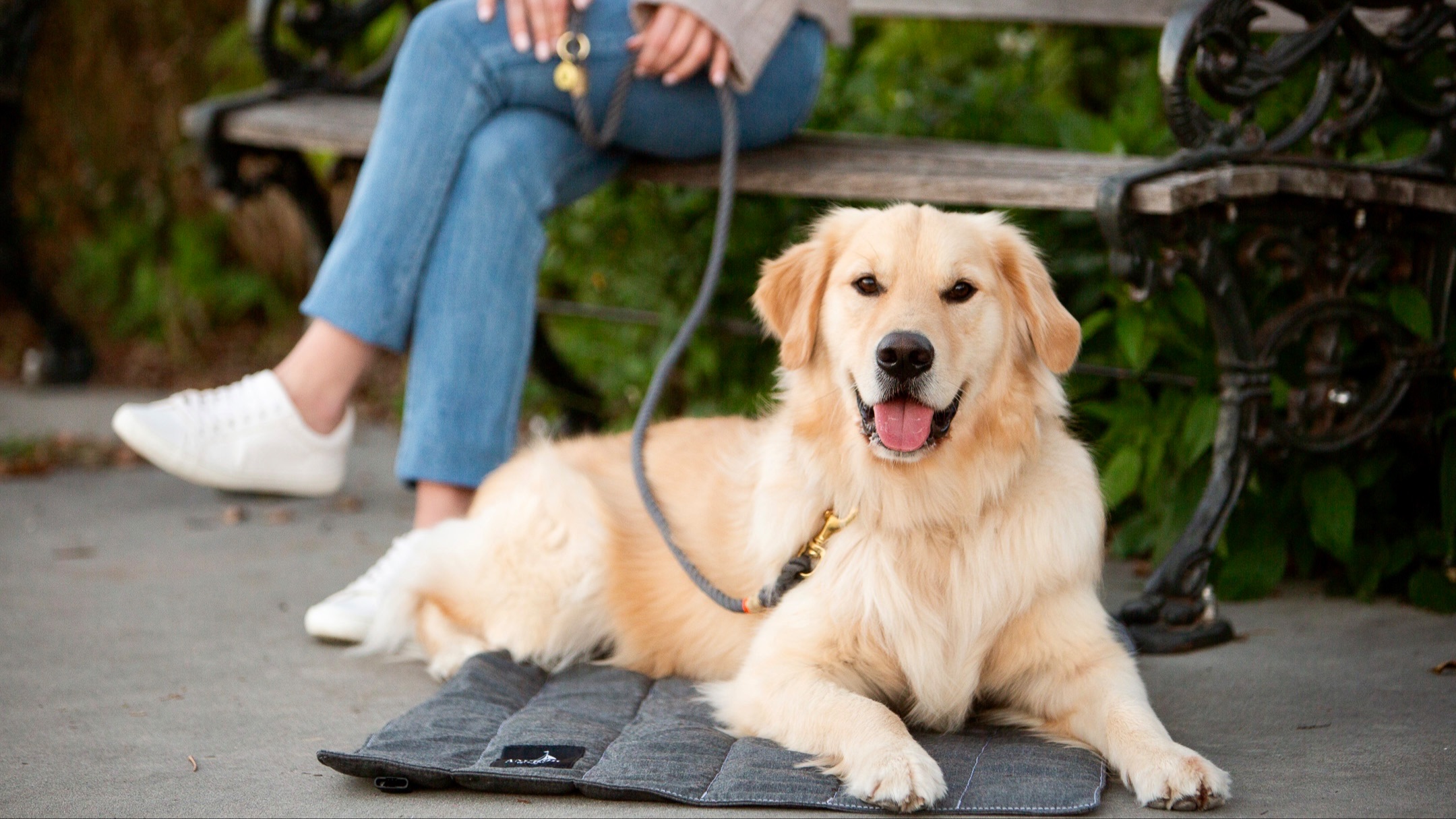
Train to Entertain: Skills Every Camera-Ready Dog Needs
Mar 14, 2026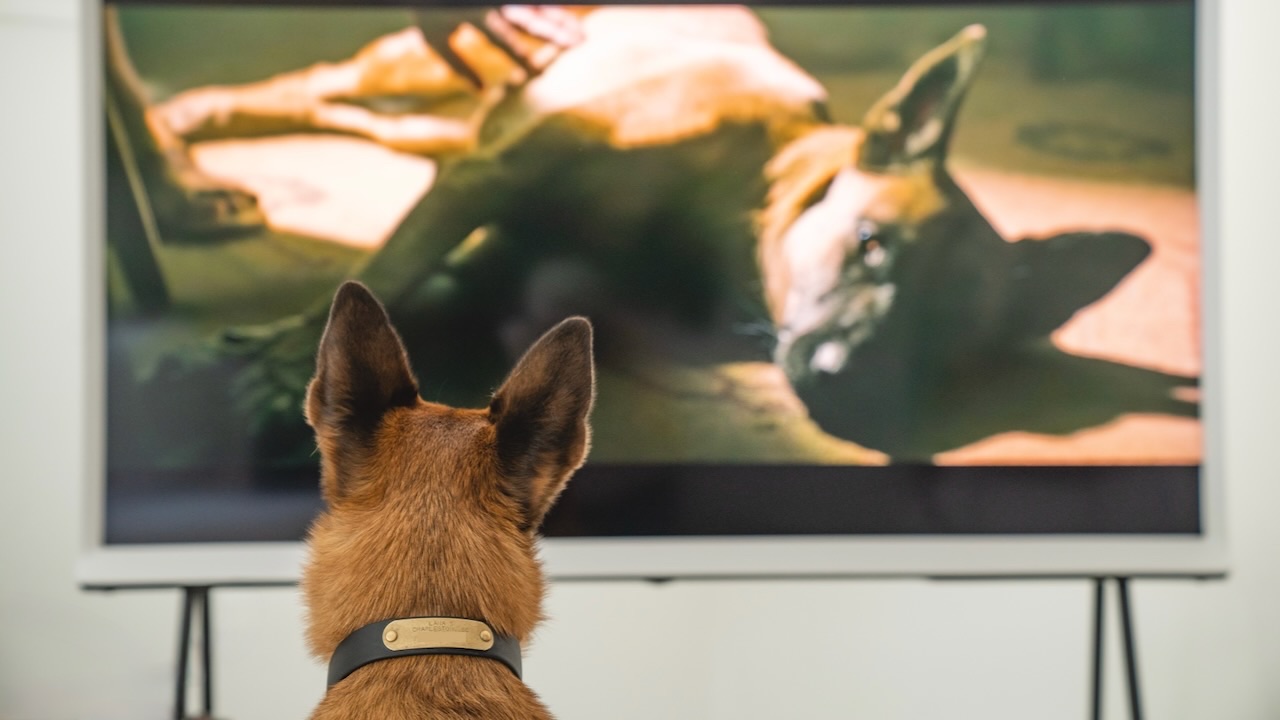
When your dog is the face of your brand, reliability on camera matters.
You set up the shot. You're ready to press record.
And the second you step behind the camera, your dog follows you right out of frame.
Or they hold the behavior just long enough for you to think you’ve got it… and then drift away before the moment actually lands.
Most creators assume this means their dog needs more obedience training.
But filming asks dogs to understand something different.
After two decades training dogs for film and television, I’ve learned that the dogs who perform reliably on camera aren’t just obedient. They’re clear about the job.
They know their actions while the camera is rolling and can repeat those behaviors when another take is needed.
That kind of clarity is what makes the difference between hoping your dog does something cute on camera… and being able to create moments intentionally.
For creators who feature their dogs in their content, that reliability makes everything easier — from planning shots to pitching ideas to brands.
The Skills Behind Camera-Ready Dogs
Focus is the foundation. If you can’t keep your dog engaged, it doesn’t matter how many behaviors they know. The camera, the environment, and everything happening around them will always win.
They also need to understand their cues clearly. For example, when you put your dog in position, they should know to stay there until they are released.
And just as important, the dog has to enjoy the work.
When a dog is having fun during training sessions and filming, that energy shows. It’s what makes their behavior feel natural instead of mechanical—and it’s often the difference between a dog that looks trained and a dog that actually performs well on camera.
Clarity builds confidence for dogs.
One way we create that clarity on film sets is by teaching a dog to hit a mark, which gives the dog a clear place to go and builds their confidence to work at a distance.
That opens up a lot of possibilities when you’re filming. You can send your dog into frame, send them to a product for a UGC shot, set up moments like a peek around a corner, or work mark to mark so the dog appears to pace naturally.
If you want to dive deeper into training your dog to hit a mark, you can explore that here.